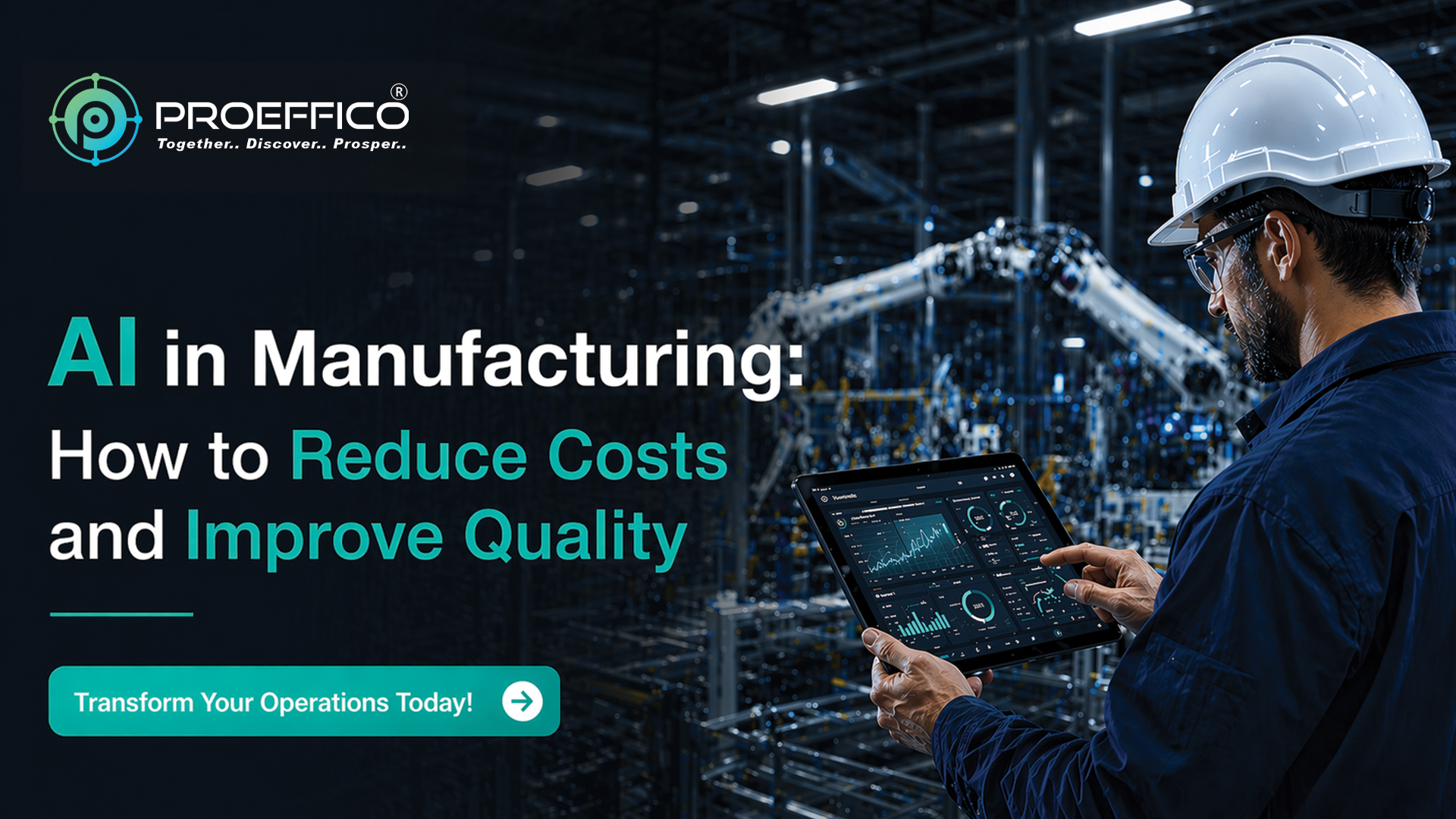
Most manufacturing plants already own the sensor network that could prevent their next shutdown — the CCTV system. With an AI analytics layer on top, those cameras stop being passive recorders and start acting as always-on safety and operations monitors. Here are seven ways manufacturers are using AI cameras today to cut downtime, incidents and compliance risk.
1. Fire and smoke detection — minutes before sensors trip
Ceiling-mounted detectors trigger when smoke physically reaches them; a camera sees the first wisp at the source. Visual fire detection buys the response team the minutes that decide between an extinguisher job and a plant-wide shutdown. In polymer, chemical, textile and warehouse environments — where a small ignition escalates fast — early visual detection is the single highest-ROI module a plant can deploy.
2. PPE compliance without walkthroughs
No-helmet and no-vest detection runs on every camera, every shift, and logs violations automatically. Instead of a safety officer sampling the floor twice a day, supervisors get a live compliance rate per line and per shift — and repeat-offender patterns surface in the data rather than in the accident report.
3. Restricted-zone intrusion alerts
High-voltage rooms, robotic cells, chemical storage: AI cameras enforce virtual perimeters and alert the moment an unauthorised person crosses them — including after hours, when most intrusions and thefts actually happen. Every alert lands with a snapshot, so security responds to a verified event instead of patrolling on suspicion.
4. Guard alertness on night shifts
A sleeping or absent guard is a liability the morning shift never sees. Alertness monitoring detects prolonged inactivity or absence at guard posts and pings the shift supervisor — turning night-shift security from an assumption into a measured fact.
5. Phone-in-hand detection in controlled areas
Clean rooms, QC benches and hazardous zones have no-phone policies that are nearly impossible to enforce manually. Camera-based detection flags violations in real time — protecting both product integrity (contamination, distraction defects) and worker safety around moving machinery.
6. Visitor and contractor tracking with facial recognition
Paper visitor registers fail every audit that matters. FR-based entry/exit logging gives an exact, timestamped record of who was on site and where — contractors included — which shortens audits, tightens insurance claims and closes the tailgating gap at plant gates.
7. Forklift and vehicle proximity safety
Loading docks and aisle intersections are where people and forklifts collide. AI cameras monitor safety zones around vehicle paths and alert on pedestrian incursions — and ANPR at the gate ties every truck movement to a dispatch record, cutting yard congestion and disputes.
The retrofit advantage
None of this requires new cameras. Platforms like VIZO361 run these modules on existing ONVIF/RTSP CCTV, processed on-premise so footage never leaves the plant — which keeps both IT and compliance teams comfortable. Deployment is measured in weeks: pick the two highest-risk use cases, pilot on a handful of cameras, then scale what proves itself.
FAQ
Can AI fire detection replace conventional fire alarms?
No — it complements them. Visual detection typically triggers earlier at the source, while certified alarm systems remain the regulatory backbone. Together they shorten response time significantly.
Do these modules work on existing factory CCTV?
Yes. Software-first platforms run on standard ONVIF/RTSP IP cameras already installed; an on-premise inference server processes the streams locally.
What is the typical starting point for a plant?
Most plants pilot two modules — usually fire/smoke plus PPE detection — on 5–10 cameras in the highest-risk area, then expand after four to six weeks of measured results.